Chances are, you've seen commercials boasting the benefits of a reverse mortgage: "Let your house pay you a month-to-month dream retirement income!" Sounds wonderful, ideal? These claims make a reverse home loan noise practically too good to be true for senior house owners. But are they? what happens when your timeshare is destroyed Let's take a more detailed look. A reverse home mortgage is a kind of loan that utilizes your house equity to supply the funds for the loan itself.
It's essentially a chance for retired people to use the equity they've constructed up over several years of paying their home loan and turn it into a loan on their own. A reverse home mortgage works like a routine home loan in that you need to apply and get approved for it by a lender.
However with a reverse home mortgage, you do not make payments on your house's principal like you would with a regular mortgageyou take payments from the equity you have actually built. You see, the bank is providing you back the cash you've currently paid on your home however charging you interest at the same time.
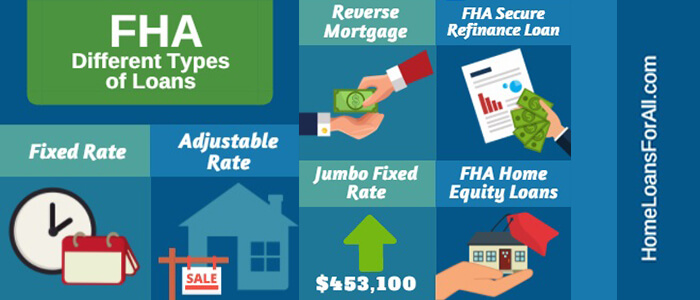
Appears simple enough, right? However here comes the cringeworthy reality: If you die prior to you've offered your home, those you leave are stuck with two options. They can either settle the full reverse home loan and all the interest that's piled up for many years, or surrender your home to the bank.
Like other types of mortgages, there are various types of reverse mortgages. While they all essentially work the exact same way, there are three main ones to learn about: The most common reverse home loan is the House Equity Conversion Home Loan (HECM). HECMs were created in 1988 to assist older Americans make ends fulfill by allowing them to use the equity of their homes without needing to move out.
Some Ideas on What Is The Current Index For Adjustable Rate Mortgages You Need To Know
Some folks will use it to spend for costs, getaways, house renovations or perhaps to settle the staying amount on their regular mortgagewhich is nuts! And the repercussions can be huge. HECM loans are continued a tight leash by the Federal Housing Administration (FHA.) They do not want you to default on your home loan, so because of that, you won't receive a reverse home mortgage if your home is worth more than a certain quantity.1 And if you do get approved for an HECM, you'll pay a significant home loan insurance coverage premium that secures the lending institution (not you) versus any losses - how many mortgages can you have at once.
They're offered up from independently owned or operated companies. And because they're not managed or guaranteed by the federal government, they can draw property owners in with promises of higher loan amountsbut with the catch of much higher interest rates than those federally insured reverse mortgages. They'll even provide reverse home mortgages that allow property owners to borrow more of their equity or consist of homes that surpass the federal optimum amount.

A single-purpose reverse home loan is offered by federal government agencies at the state and regional level, and by nonprofit groups too. It's a kind of reverse mortgage that puts guidelines and constraints on how you can use the money from the loan. (So you can't spend it on a fancy vacation!) Normally, single-purpose reverse home mortgages can only be used to make property tax payments or pay for home repair work.
The thing to remember is that the loan provider has to approve how the money will be used prior to the loan is provided the OKAY. These loans aren't federally insured either, so lending institutions do not have to charge mortgage insurance coverage premiums. But considering that the cash from a single-purpose reverse home mortgage has to be used in a specific method, they're normally much smaller sized in their amount than HECM loans or exclusive reverse home loans.
Own a paid-off (or a minimum of considerably paid-down) house. Have this house as your main home. Owe absolutely no federal debts. Have the capital to continue paying residential or commercial property taxes, HOA fees, insurance, maintenance and other house expenses. And it's not simply you that has to qualifyyour house also has to satisfy certain requirements.
What Are Basis Points In Mortgages Things To Know Before You Buy
The HECM program likewise allows reverse home loans on condominiums approved by the Department of Real Estate and Urban Advancement. Before you go and sign the papers on a reverse mortgage, examine out these 4 significant drawbacks: You may be believing about securing a reverse mortgage because you feel great borrowing versus your home.
Let's simplify like this: Envision having $100 in the bank, but when you go to withdraw that $100 in cash, the bank just provides you $60and they charge you interest on that $60 from the $40 they keep. If you wouldn't take that "offer" from the bank, why on earth would you desire to do it with your house you've invested decades paying a home mortgage on? However that's precisely what a reverse home loan does.
Why? Because there are charges to pay, which leads us to our http://paxtonknaq344.xtgem.com/not%20known%20details%20about%20how%20many%20mortgages%20in%20one%20fannie%20mae next point. Reverse mortgages are packed with extra expenses. And many debtors choose to pay these fees with the loan they will getinstead of paying them expense. The important things is, this costs you more in the long run! Lenders can charge up to 2% of a home's value in an paid up front.
So on a $200,000 house, that's a $1,000 yearly expense after you've paid $4,000 upfront obviously!$14 on a reverse home mortgage are like those for a regular home loan and include things like home appraisals, credit checks and processing charges. So prior to you know it, you've sucked out thousands from your reverse mortgage prior to you even see the first penny! And since a reverse home mortgage is just letting you use a portion the value of your house anyway, what occurs when you reach that limit? The cash stops.
So the amount of cash you owe increases every year, each month and every day till the loan is paid off. The marketers promoting reverse mortgages like to spin the old line: "You will never ever owe more than your house is worth!" However that's not exactly real since of those high rates of interest.
Not known Details About Which Of The Following Is Not A Guarantor Of Federally Find more info Insured Mortgages?
Let's say you live till you're 87. When you pass away, your estate owes $338,635 on your $200,000 house. So rather of having a paid-for home to pass on to your loved ones after you're gone, they'll be stuck to a $238,635 expense. Chances are they'll have to offer the home in order to settle the loan's balance with the bank if they can't afford to pay it.
If you're spending more than 25% of your earnings on taxes, HOA charges, and home bills, that implies you're home poor. Connect to one of our Backed Local Service Providers and they'll help you browse your choices. If a reverse home mortgage lending institution informs you, "You won't lose your home," they're not being straight with you.
Consider the factors you were thinking about getting a reverse home mortgage in the very first place: Your spending plan is too tight, you can't afford your everyday expenses, and you do not have anywhere else to turn for some additional cash. Suddenly, you have actually drawn that last reverse home loan payment, and after that the next tax expense comes around.